
How to Use a Self Storage Unit in Alliston When Moving
How to Use a Self Storage Unit in Alliston When Moving
—
August 12th, 2026
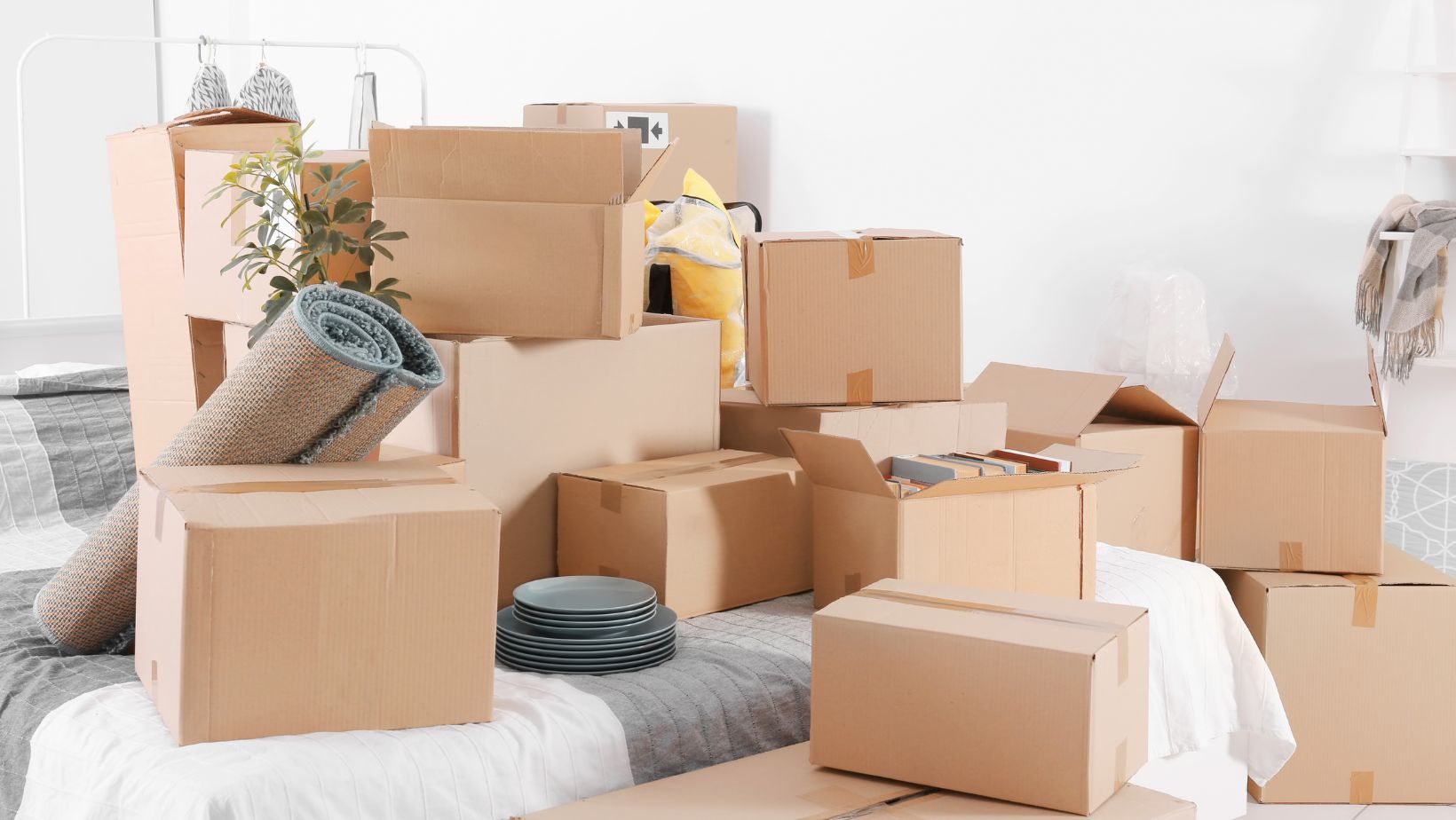
Moving rarely happens in one perfectly coordinated day. You may need to leave your current home before the new one is ready, complete renovations after closing or clear out extra furniture before listing your property. A self storage unit in Alliston can give you the additional space needed to work through those stages without rushing every decision.The key is to include storage in your moving plan early. When you know what will be stored, when it will arrive and when you will need it again, the unit becomes more than a place to leave boxes. It helps create a more manageable path between your current home and your next one.
When Can Self Storage Make a Move Easier
There are several points during a move when additional space can help. Some households use storage for most of their furniture, while others only need room for seasonal belongings and packed boxes.Self storage in Alliston may be useful when:
- Your home closing dates don't line up
- Your new home is still being renovated
- You want to remove extra furniture before listing your property
- You are downsizing and need more time to sort your belongings
- You are moving into temporary accommodations
- Your move will take place over several days or weeks
- You want to unpack the new home gradually
Instead of forcing every step into one hectic day, you can move non-essential belongings out first and focus on the items you need right away.
Decide What You Need to Store
Before choosing a unit, make an inventory of what you plan to move. Separate your belongings into four groups:
- Items you will need throughout the move
- Items going directly to your new home
- Items going into storage
- Items you plan to sell, donate, recycle or discard
This step prevents you from paying to move and store things you no longer want. It also gives the storage company better information when helping you choose a unit size.Measure large furniture, appliances and unusually shaped items. Estimate how many boxes you expect to have once packing is finished. If you will need to access your belongings regularly, account for enough room to leave an aisle.Keep identification, medication, closing documents, financial records, valuables and everyday necessities with you. These items should not get buried in storage during the move.
Choose the Right Storage Unit Before Packing
The number of bedrooms in your home can provide a starting point, but it doesn't tell the whole story. Two three-bedroom homes can contain very different amounts of furniture, equipment and stored belongings.When arranging self storage for moving, consider:
- The number and size of your belongings
- How long you expect to rent
- How often you will visit the unit
- The amount of space needed for an aisle
- Furniture that cannot be stacked
- How the belongings will be removed later
A tightly packed unit may work if everything will stay in place until your new home is ready. If you expect to retrieve boxes during the rental period, a slightly larger unit with clear walking space may be easier to use.Share your inventory with the storage team rather than relying on a guess. They can help you compare available sizes based on what you actually plan to store.
Ask About Facility Features and Current Deals
Price matters, but it shouldn't be the only question you ask when comparing self storage in Alliston. Before renting, find out about:
- Facility access hours
- Available unit sizes
- Indoor or drive-up access
- Heated unit availability
- Security measures
- Rental periods and notice requirements
- Billing dates and payment options
- Items that cannot be stored
It's also worth asking about current deals. Self storage facilities may offer introductory pricing or other promotions, but availability and terms can change. Find out which unit sizes qualify, how long the promotional rate lasts and what the regular rate will be afterward.
Build Storage Into Your Moving Timeline
Temporary storage for moving works best when you begin before moving day. Once your dates are reasonably clear, contact the facility to discuss availability.Start by storing items you can live without for several weeks. Seasonal clothing, books, decorations, patio furniture and rarely used equipment are often good candidates. If you are preparing your home for sale, you can also move extra furniture and personal items into storage to make rooms feel less crowded.During the final week, add packed boxes and furniture that won't be going directly to the new home. Confirm which items are headed to each location so helpers or movers don't have to make decisions while loading.
Pack for Storage and the Eventual Move Out
Packing a storage unit requires you to think one step beyond getting everything through the door. Every item will eventually need to come back out and travel to its final destination.Use sturdy boxes that can be stacked safely. Label at least two sides of each box with its contents and the room where it belongs. Writing “kitchen” is much more helpful than writing “storage.”Clean and dry items before packing them. Disassemble large furniture when practical and place screws or hardware in labelled bags attached to the corresponding piece. Use suitable covers or moving blankets to protect furniture.Follow the facility’s policies regarding food, liquids, flammable materials and other prohibited items. If you are uncertain about something, ask before bringing it to the facility.
Organize the Unit Around What You Will Need First
Place heavy, sturdy boxes at the bottom and lighter items on top. Furniture and boxes that will remain untouched can go toward the back. Keep frequently needed belongings close to the entrance.Group items by room or category and leave a central aisle if space permits. A simple map of the unit can save considerable time later, especially when boxes look similar.It also helps to load belongings based on how you plan to set up the new home. Items needed first should be easiest to reach. That might include beds, basic kitchen supplies, children’s belongings or equipment needed to complete a renovation.
Avoid These Common Moving Storage Mistakes
A little planning can prevent the problems people often discover after the unit is full. Try to avoid:
- Waiting until moving day to arrange storage
- Choosing a size without making an inventory
- Leaving no room to reach stored items
- Packing damp or dirty belongings
- Using vague or missing labels
- Placing essential items at the back
- Forgetting to record what is in the unit
- Storing belongings you no longer intend to keep
- Overlooking rental terms or facility policies
Give Your Move a Little More Breathing Room
A move is much easier to manage when every box doesn't need to arrive at the new home at once. The right storage plan can help you work around closing dates, prepare a property for sale, complete renovations or unpack at a pace that makes sense for your household.Tell Alliston Self Storage when you are moving, what you need to store and how often you expect to access it. Our team can help you choose an appropriate unit, explain our heated storage options and let you know about current deals. Contact us to check availability and start planning your move.
Blog