extension of your home


Why Self Storage Is a Smart Choice for Renters and Homeowners in 2026


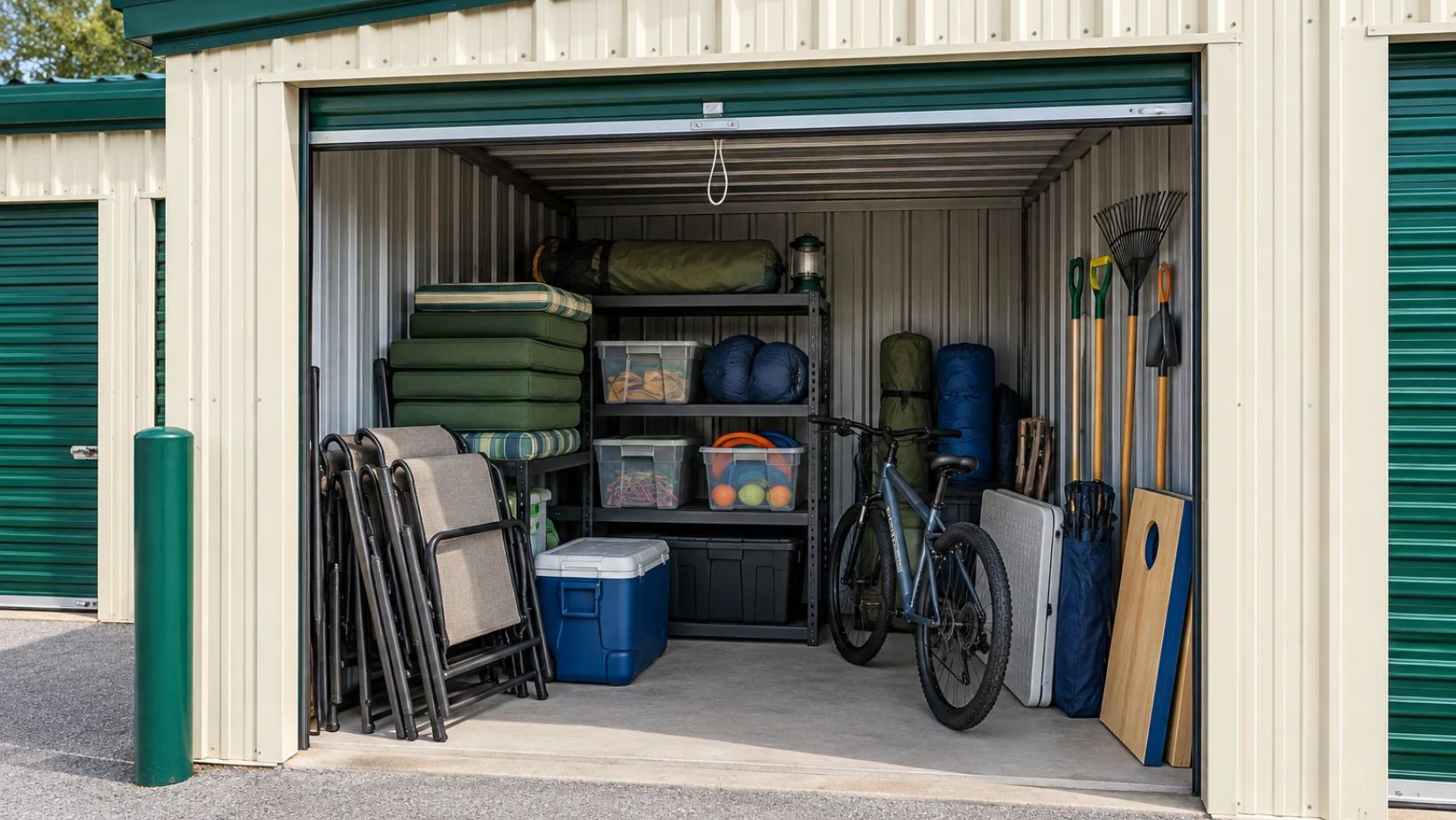
Living spaces are changing. In 2026, both renters and homeowners are feeling the effects of higher housing costs, smaller floor plans, and more flexible lifestyles. Whether you’re renting an apartment, living in a condo, or owning a home, space is at a premium — and making the most of what you have matters more than ever.That’s why self storage has become a smart, practical solution. Instead of forcing big decisions like moving or getting rid of belongings you still need, self storage offers flexibility, convenience, and peace of mind for modern living. Living Spaces Are Smaller, but Life Is Not Over the past few years, homes and apartments have continued to shrink while our lifestyles have not. People still own seasonal items, furniture, hobby equipment, keepsakes, and work-from-home essentials. Downsizing often means sacrificing storage space first — garages, basements, and spare rooms are no longer a given.Self storage fills that gap. It allows renters and homeowners to keep the items they use occasionally without overcrowding their living space. Instead of cluttered closets and packed rooms, storage units create breathing room at home while keeping belongings accessible when needed. Why Renters Are Turning to Self Storage in 2026 Renters are using self storage more than ever, and for good reason. Rental housing has become more flexible, but also more unpredictable. Shorter lease terms, unit changes, and rising rents make it harder to plan long term.Self storage gives renters the flexibility to move without stress. Furniture that doesn’t fit a new space, seasonal items like bikes or patio furniture, and personal belongings can be stored safely instead of sold or discarded. For renters between homes or relocating temporarily, storage provides a reliable place to keep possessions secure until the next move. How Homeowners Benefit From Self Storage Homeowners also benefit greatly from self storage, especially during periods of transition. Renovations, home repairs, and remodels often require clearing out rooms to protect furniture and belongings. A storage unit keeps items safe while work is being completed and makes projects ...


February 12th, 2026


What First-Time Self-Storage Renters Wish They Knew Sooner

Storage


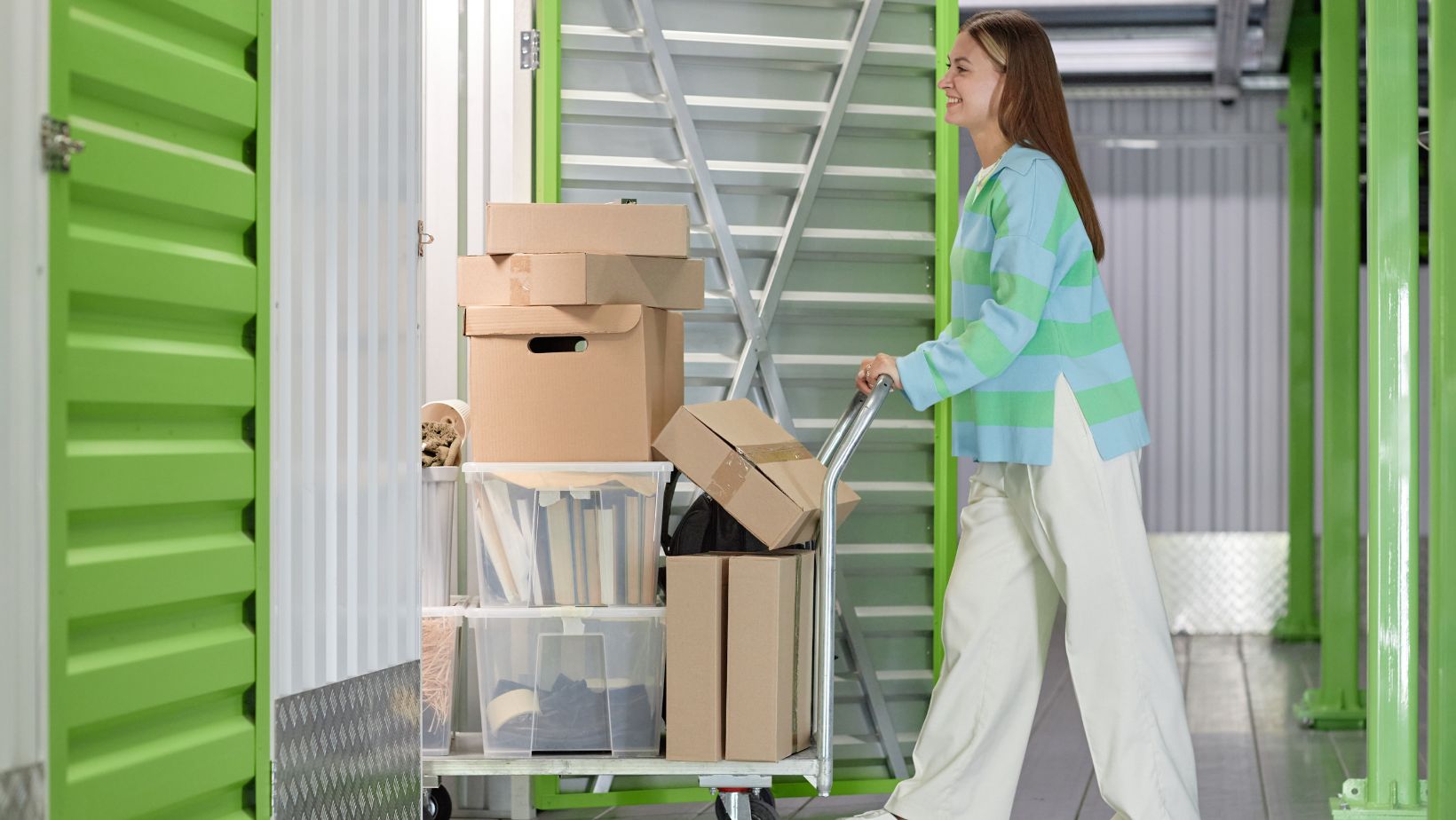
unpacking boxes

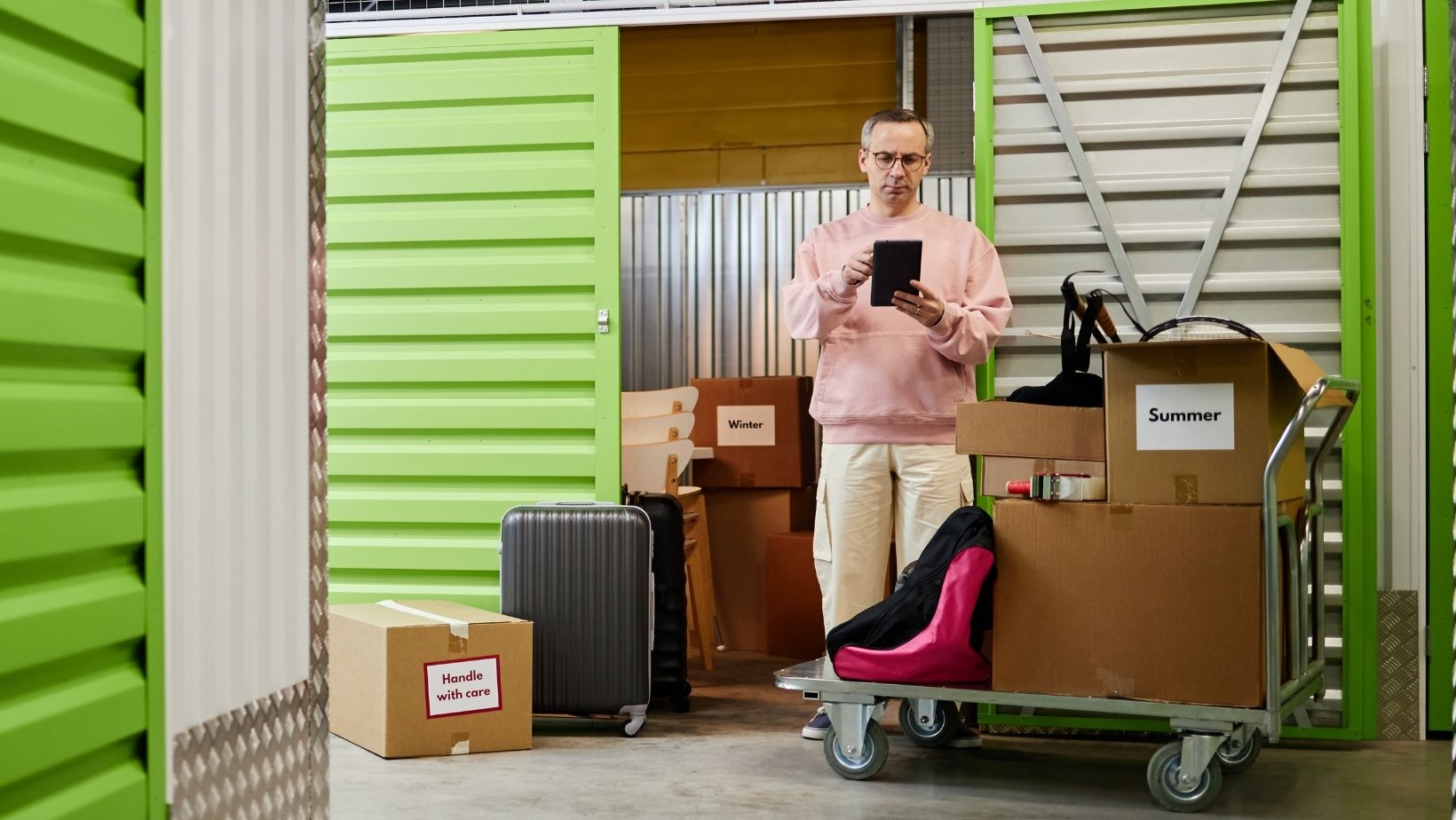
Renting a self storage unit for the first time often feels simple until you’re already moved in. Many renters later discover a few key details they wish they had known from the start. These small oversights can lead to extra costs, frustration, or damage to belongings.This guide shares the most common lessons first time self storage renters learn. Knowing these details ahead of time can make the process smoother, more efficient, and more cost-effective. Choosing the Right Unit Size Matters More Than People Expect One of the most frequent regrets among first time renters is choosing the wrong unit size. Many people underestimate how much space their belongings actually take up, while others rent a unit that is far larger than they need.Renting a unit that is too small can lead to overcrowding, damaged items, and difficulty accessing your boxes. Renting a unit that is too large means paying for space you don’t need month after month. Experienced storage staff often help renters adjust unit sizes after move-in — something that could have been avoided with a little planning upfront.A good rule of thumb is to think in terms of rooms rather than square footage. For example, the contents of a one-bedroom apartment usually fit into a medium unit if packed efficiently. Heated Storage Protects Your Items From Harsh Winter Conditions Many first time renters don’t realize how much extreme cold can affect certain belongings. Heated storage is an excellent solution for renters who want to protect items like furniture, electronics, clothing, and delicate materials from freezing temperatures.While not every item requires heating, using a heated unit can prevent damage during the colder months. Renters often wish they had opted for heated storage after discovering that freezing temperatures can cause warping, brittleness, or other preventable damage. Access Hours and Everyday Convenience Matter More Than Expected First time renters often focus solely on price without thinking through how and when they will access their unit. Access hours play a much bigger role in convenience than many people ...


January 16th, 2026


How to Turn Self Storage into an Extension of Your Home


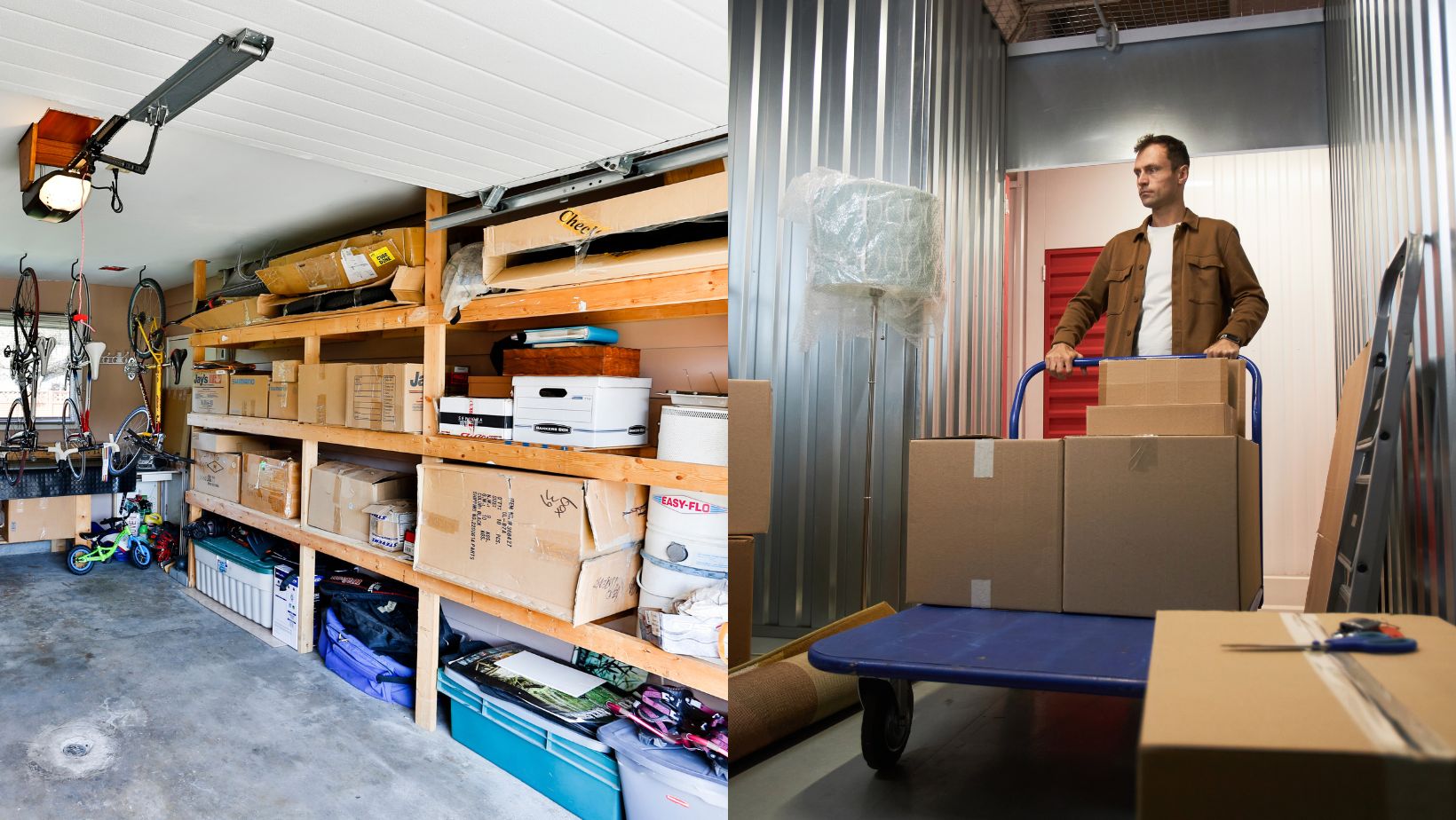
Do your closets feel like they are bursting at the seams? Is your garage so full of boxes that your car is parked on the street? Many homeowners find themselves running out of room for their belongings. The search for more space can feel endless, but there is a practical solution that can act as an extra room for your house. Using a self storage unit effectively turns it into a functional extension of your home, giving you the freedom to declutter without parting with things you value. This guide will show you how. Create Space with Seasonal Storage One of the easiest ways to free up valuable closet space is by rotating your seasonal belongings. Think about all the items you only use for a few months each year. A storage unit is the perfect place to keep bulky winter coats, snow boots, and skis during the summer. Likewise, you can store patio furniture, gardening tools, and summer sports gear during the colder months. This simple switch can make your home feel more organized and spacious year-round. Organize Your Hobby and Craft Supplies Hobbies should be enjoyable, not a source of clutter. A dedicated space for your crafting supplies, musical instruments, or sports equipment can keep your home tidy. You can set up shelves in a small unit to organize fabric, paint, scrapbooking materials, or whatever your passion requires. This keeps everything accessible when you need it without taking over your dining room table or spare bedroom. Manage Your Home Office Overflow With more people working from home, the home office can quickly become crowded with files, extra monitors, and office supplies. A storage unit can function as your personal archive and supply closet. Store important documents you need to keep but don't access daily, along with bulk office supplies. This helps you maintain a productive and organized workspace. Rotate Furniture and Home Decor Do you love changing your home’s look with the seasons? A storage unit allows you to keep a collection of furniture and decor ...


November 12th, 2025


How to Prepare Your Items Before Putting Them in Self-Storage


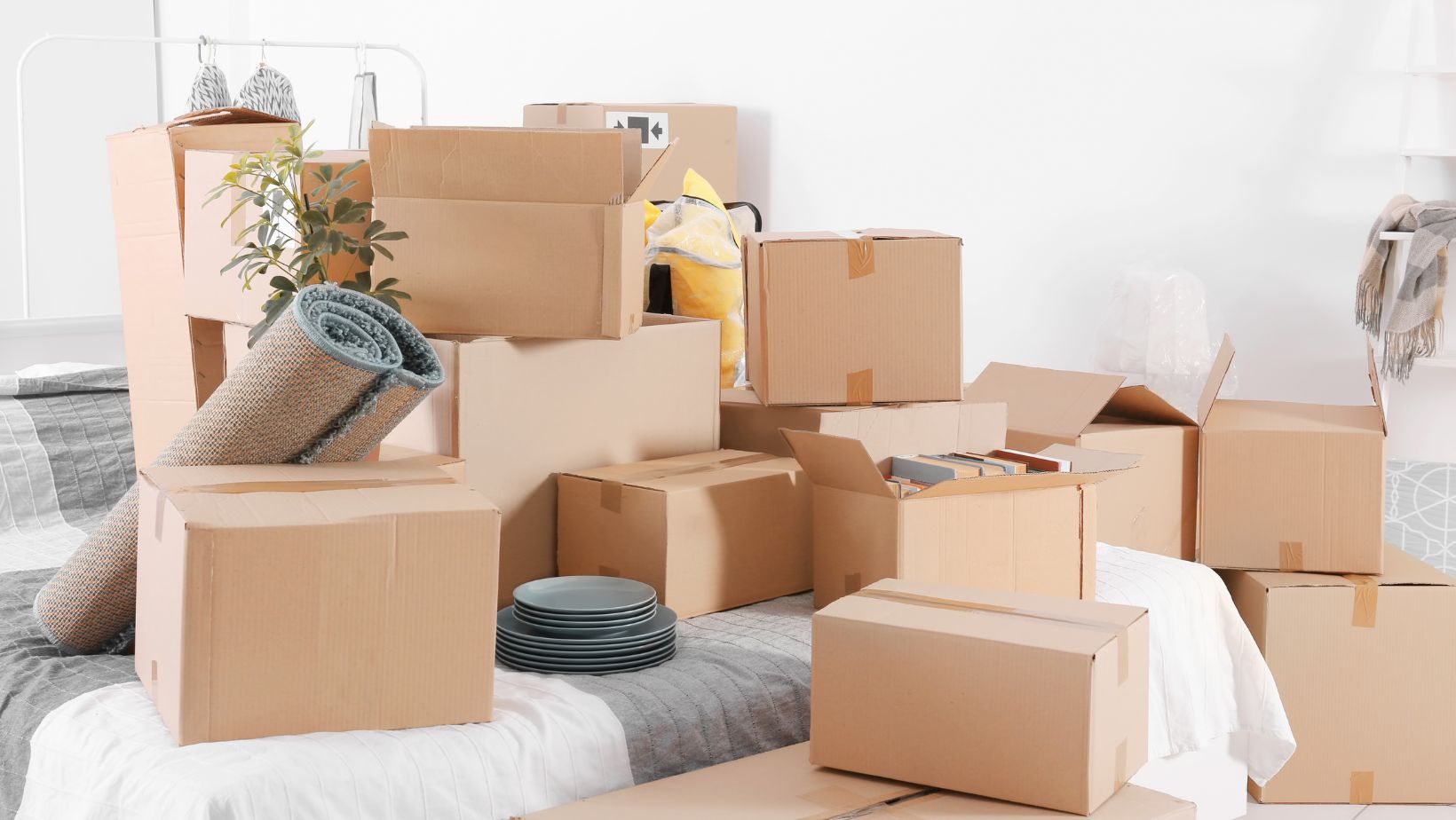
Using a storage unit can be a game-changer when you're decluttering your home, in the middle of a move, or simply downsizing. It offers a secure place for your belongings. However, just putting items into a unit isn't enough. Proper preparation is the key to making sure everything you store comes out in the same condition it went in. Before you rent a storage unit, it's worth taking the time to get your things ready. This guide will walk you through the essential steps for preparing common items for storage. Clean Everything Thoroughly The most important first step is to clean every single item you plan to store. This might seem tedious, but it's your best defense against mold, mildew, and pests. Dirt, food crumbs, and moisture can cause serious damage over time. Furniture: Wipe down all wood and plastic surfaces. For upholstered items like couches and chairs, use a suitable fabric cleaner to remove any stains or dirt. Let everything air dry completely. Appliances: If you're storing a refrigerator or freezer, it needs to be defrosted and cleaned thoroughly. Make sure the interior is bone dry to prevent mildew growth. It’s a good idea to prop the doors open slightly while in storage. Clothing & Fabrics: Wash or dry-clean all textiles. This removes body oils and dirt that can attract insects and cause discoloration. Disassemble Large Items To maximize the space in your self storage unit and make moving day easier, break down any large items. Things like bed frames, dining tables, and bookshelves can often be disassembled. Taking them apart not only saves a surprising amount of room but also reduces the risk of scratching walls or damaging the item during transport.Keep all the hardware together by Keep all the hardware together by putting all screws, bolts, and small components into a labelled plastic bag and taping it securely to the largest piece of furniture it belongs to. You'll thank yourself later when it's time to reassemble everything. Pack with Care How you pack is just as ...


November 12th, 2025


How to Create More Space at Home Without Renovating

Storage


How to Create More Space at Home Without Renovating

Does your home feel like it’s bursting at the seams with no room to breathe? You're not alone. Many households struggle with limited space, yet renovating or moving simply isn’t a viable option for everyone.The good news is, you don’t need a construction crew to make your home feel more spacious. With smart home organization and some strategic space-saving ideas, you can create a clutter-free, comfortable environment.Here’s how you can maximize every inch of your home without lifting a hammer. 1. Declutter and Prioritize The first step to creating more space is to address the root of the problem—clutter. Over time, we all accumulate items that no longer serve a purpose. Decluttering can feel overwhelming, but tackling it with a solid strategy can make all the difference. One effective method is the “keep, donate, discard” approach. Grab three boxes and go room by room. Sort every item you own into one of those categories. That sweater you haven’t worn in three years? Donate. The pile of expired coupons? Discard. Decluttering isn’t just about clearing physical space; it can also bring mental relief. Psychology studies suggest that living in a clutter-free space can lower stress, boost focus, and even improve your mood. Set reasonable goals to avoid burnout. For instance, aim to declutter one drawer or closet each day. Small efforts can lead to big results without feeling overwhelming. 2. Use Multifunctional Furniture Your furniture should do more than just look pretty. Incorporating multifunctional furniture into your home is one of the smartest space-saving ideas out there. Think ottomans with built-in storage, beds with drawers underneath, or fold-out desks that tuck away when not in use. For smaller spaces, these dual-purpose pieces are game-changers. Imagine adding a storage bench to your entryway to store shoes while providing a place to sit. It’s practical and stylish. Multifunctional furniture doesn’t just save physical space; it also helps create a well-organized, polished look in your home. 3. Maximize Vertical Space If you’re short on square footage, it’s time to think ...


September 5th, 2025


Why Summer Is the Best Time to Rent a Storage Unit


Why Summer Is the Best Time to Rent a Storage Unit

Summer is a time of movement and change. From sunny vacations to home renovation projects, this lively season often brings exciting opportunities—but also plenty of logistical challenges. Whether you’re a college student heading home for the break or a homeowner tackling renovations, summer is the perfect time to explore storage solutions that make your life easier. Storage unit rentals can simplify summer decluttering, protect your belongings while traveling, and create more space for seasonal projects. This guide explores why storage units are a summer lifesaver, offers insights into how they can help, and provides practical tips for choosing and utilizing one effectively. How Renting a Storage Unit Can Help This Summer College Students Moving Home For college students, hauling every piece of dorm furniture and décor home between semesters can be a hassle. Renting a storage unit near campus offers a cost-effective, convenient solution. A small storage unit can hold everything from mini-fridges to textbooks, allowing students to travel light and save their parents’ living room from an unintended dorm takeover. Decluttering for Guests or Entertaining Summer gatherings often mean hosting friends and family. But where do extra houseguests fit if your space is cluttered? A storage unit allows you to temporarily stow away furniture, unnecessary décor, or seldom-used items, making room for entertaining and creating a more welcoming atmosphere for your guests. Home Renovations or Remodeling Projects Summer is prime time for home renovations. Whether you’re refreshing your kitchen or adding a patio, a storage unit can protect your furniture and possessions from dust, debris, and damage during construction. It also ensures that contractors have clear, uninterrupted space to complete projects efficiently. Moving Season Summer is the busiest season for moving. If you’re waiting for closing dates or need a temporary spot for your belongings during the transition, a storage unit offers the flexibility you need. Short-term rentals allow you to store everything from furniture to smaller household items until your new home is ready. Storing Winter Gear There’s no need for snowblowers, skis, or holiday decorations during the summer ...


June 19th, 2025


How to Pack and Store Fragile Items in Self-Storage

Storage


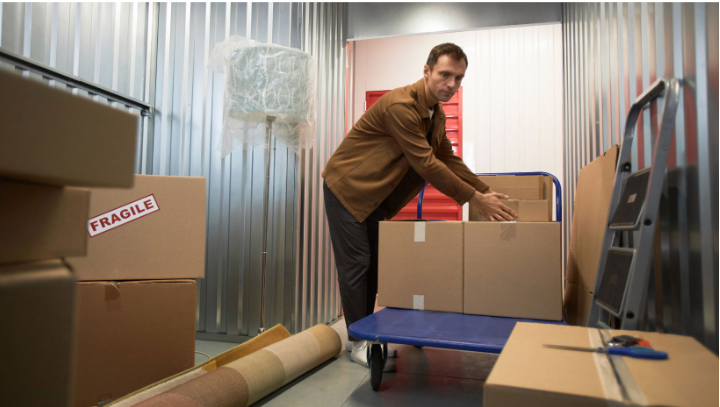
a box with a "fragile" sticker

Properly packing and storing fragile items like glassware, artwork, or electronics is essential to ensure their safety in a self-storage unit. Without the right care, these items can break, warp, or lose their functionality over time. To help you keep your delicate belongings safe and secure, we've put together a guide that covers everything from preparation and packing techniques to storage organization. Preparing Fragile Items for Storage Before you start packing, it’s important to plan and gather the right materials. Taking extra care at this stage will set the foundation for protecting your fragile belongings. Assess Your Items and Gather Supplies To prepare effectively, start by sorting through your belongings and categorizing fragile items. Once you know what you’ll be storing, gather the following packing essentials: Sturdy boxes of various sizes Bubble wrap or foam padding Packing paper for wrapping individual items Packing tape and a tape dispenser Markers or labels for clear identification The quality of your materials matters. Opt for durable boxes and high-quality protective materials to provide the best possible protection. Clean and Inspect Items Wipe down glass, ceramics, and other fragile surfaces to remove dust or grime before storing them. Inspect electronics for any signs of wear or damage that could worsen in storage. For artwork, inspect frames and glass covers to ensure they’re intact. Cleaning and inspection reduce the risk of items deteriorating in storage and help you spot any existing vulnerabilities. Choosing the Right Packing Materials For glassware and ceramics, use bubble wrap or foam sleeves to cushion each piece. For electronics, look for anti-static bags and add silica gel packs to reduce moisture. Use specialized boxes for artwork, such as mirror or picture boxes, to provide extra support. Packing Techniques for Fragile Items Packing fragile items takes time and patience, but following these methods will keep your valuables well-protected. Wrapping Glassware and Ceramics Wrap each piece individually using bubble wrap or packing paper. Fill empty spaces inside the box with crumpled paper or packing peanuts to prevent movement. Pack heavier items at the bottom and lighter items on top. Clearly label the box with "FRAGILE" and include an arrow ...


April 2nd, 2025


How Self-Storage Can Help During Life Transitions


Lorem ipsum dolor sit amet.Life is full of changes—some exciting, others unexpected. Whether you’re moving to a new home, downsizing, or tackling a major transition, self-storage can be a valuable tool to ease the process. By offering flexibility, space, and convenience, self-storage can help you stay organized and reduce stress during times of change. Below, we’ll explore the key ways self-storage can support you during moving, downsizing, and other life transitions. The Benefits of Self-Storage During Transitions Life transitions often come with their fair share of logistical challenges. Self-storage can help by providing a secure, temporary home for your belongings while you adjust to your new circumstances. Why Consider Self-Storage? Temporary Extra Space: Perfect for storing items you don’t need daily but aren’t ready to part with. Flexibility for Uncertainty: Gives you room to decide how to handle sentimental or seasonal items without rushing. Security and Peace of Mind: Keeps your belongings safe during chaotic times like moving or renovating. Reduced Clutter: Helps you maintain a clean and organized space while managing other responsibilities. Moving and Relocating Whether you’re relocating to a new city or just changing neighborhoods, moving can feel overwhelming. Self-storage tackles some of the biggest headaches associated with the process. Storing Excess Items During the Move Packing for a move can reveal just how much you own—and how much you don’t want to move all at once. A self-storage unit allows you to temporarily store your belongings as you focus on unpacking essential items. Tips for using self-storage while moving: Group similar items: Store items by category (e.g., furniture, seasonal items) for easier retrieval later. Label boxes clearly: Make future unpacking simpler by noting what each box contains. Use a short-term storage option: Keep items safe while you determine how they’ll fit in your new space. Managing Delayed Move-In Dates Sometimes, your new home isn’t move-in ready when expected. Whether it’s due to construction delays, paperwork, or other issues, self-storage ensures you have a safe place for your items until your move is complete. Downsizing Downsizing can be a liberating experience, but deciding what to ...


March 12th, 2025


How to Store Your Hobby and Recreational Gear Like a Pro


Self storage unit filled with gear

Lorem ipsum dolor sit amet.Is your hobby gear taking over your home? Whether it’s a mountain of camping equipment, a tangle of fishing rods, or skis stuffed into a closet, disorganized gear can quickly become a source of frustration. And nothing dampens a perfect day of fun faster than misplaced, damaged, or inaccessible equipment.Storing your hobby and recreational gear properly isn’t just about keeping your space tidy. It's about protecting your investments, ensuring longevity, and making room for stress-free enjoyment of your favorite activities. This guide will walk you through essential tips for organizing, maintaining, and maximizing space for your gear. Whether you’re managing a few items or an entire garage full of equipment, these practical strategies—including premium storage solutions like Alliston Self Storage—will take the chaos out of your setup. Why Proper Gear Storage Matters Proper storage goes far beyond aesthetics—it’s the key to preserving and improving your hobby experience. Here’s why it’s essential: Prevents Wear and Tear Gear left improperly stored is vulnerable to damage from dust, moisture, and temperature fluctuations. For example, leaving camping gear out in a damp garage could lead to rusted poles and moldy tents. Saves Time and Reduces Frustration A cluttered gear setup can turn into a scavenger hunt when you're trying to pack for your next trip. Properly storing items ensures that everything is exactly where you need it when you need it. Maximizes Enjoyment When your equipment is properly maintained and organized, you’ll spend less time worrying and more time doing what you love.Ultimately, good storage supports longer-lasting gear, saves you money in replacements, and makes hobbies more efficient and fun. Assessing Your Gear: Categorizing and Prioritizing Before you can store your gear effectively, start by assessing what you have. Here’s how: Create an Inventory List each piece of gear you own. This will give you a clear picture of what needs storing and help you identify items you might not even use anymore. Sort Into Categories Organize your items by: Frequency of Use (e.g., frequently used vs. seasonal) Type (e.g., camping gear, sports equipment, photography gear) Size ...


February 5th, 2025


The Ultimate Guide to Heated Storage Units


Step into a world where your valuables are shielded from the bite of harsh winters and sudden temperature swings. Heated storage units aren’t just spaces—they’re havens for your cherished belongings. But what can you safely store in these temperature-controlled sanctuaries? More importantly, why should you? Read on to explore how heated storage can offer the perfect solution for protecting your most sensitive items. What Are Heated Storage Units and How Do They Work? Heated storage units are specialized self-storage spaces designed to maintain consistent, safe temperatures even in freezing weather. These units guard against the damaging effects of frost and extreme temperature fluctuations, which can wreak havoc on delicate or valuable items. Modern heating systems, often connected via a wiring network throughout the facility, ensure an evenly warm environment, no matter how cold it gets outside. If you’ve got items that don’t fare well in the cold—like electronics, irreplaceable keepsakes, or even upholstered furniture—a heated unit is the ultimate storage solution, especially for those living in chilly climates or areas prone to drastic weather changes. What to Store in a Heated Storage Unit When it comes to heated storage, certain items benefit more from temperature control than others. Here are the best items to protect in a heated storage unit: 1. Electronics and Appliances Extreme cold can damage components like screens and wiring in electronics or cause appliances to malfunction. Items such as TVs, computers, gaming consoles, and kitchen appliances thrive in the consistent conditions a heated unit provides. Want these investments to last? Then a heated unit is a must. 2. Wood and Upholstered Furniture Temperature fluctuations can cause wood to warp or crack and encourage mold growth in upholstered furniture. Protect that heirloom dining table or your favorite comfy couch by storing them where heat and humidity are managed. 3. Important Documents and Photographs Stacks of sensitive documents or boxes of family photos are particularly vulnerable to fluctuating temperatures—they can yellow, curl, or degrade over time. A heated storage unit is the best environment to maintain their condition for ...


January 22nd, 2025


Items per page
10
1 - 10 of 90 posts