8 Things You Should Never Store in a Storage Unit
8 Things You Should Never Store in a Storage Unit
—
April 16th, 2026
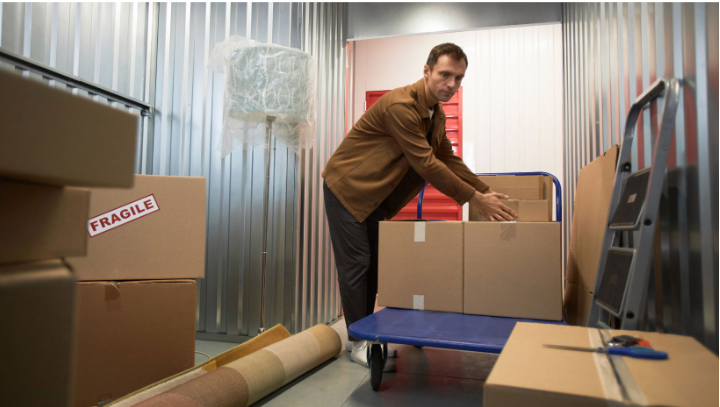
Self storage is a convenient and flexible way to create more space in your home or business. Whether you are decluttering, renovating, or preparing for a move, a storage unit can help keep your belongings organized and out of the way. However, not everything is suitable for storage.Placing the wrong items in a storage unit can lead to damage, safety hazards, unpleasant odors, and even costly consequences. Understanding what should be avoided will help you protect your belongings and ensure a smooth storage experience.Below are eight things you should never store in a storage unit—and what to do instead.
Why Some Items Should Not Be Stored
Storage facilities are designed to accommodate a wide range of household and business items, but certain materials pose risks. Items that are flammable, perishable, or sensitive to environmental conditions can create problems not only for your unit, but for the entire facility. In addition, improper storage can result in mold growth, pest infestations, or irreversible damage to valuable belongings. By following basic storage guidelines, you can avoid these issues and make better use of your space.
1. Perishable Food Items
Food is one of the most common items people mistakenly place in storage. Even non-perishable goods can attract insects and rodents over time.Items such as dry goods, pet food, and canned products can create odors and increase the risk of infestation. Once pests are introduced, they can spread quickly and damage other belongings. Instead, remove all food items before storing your belongings and ensure that boxes and containers are clean and sealed.
2. Hazardous or Flammable Materials
Flammable and hazardous materials should never be stored in a storage unit under any circumstances. These items can ignite, leak, or release harmful fumes, creating serious safety risks. Examples include gasoline, propane tanks, paint, paint thinners, and cleaning chemicals. Even small amounts can pose a danger, particularly in enclosed spaces.These materials should always be stored according to manufacturer guidelines or disposed of safely through local waste programs.
3. Living Things
Storage units are not designed to support life. Pets, plants, and any other living organisms require light, airflow, and regular care. Leaving living things in a storage unit is unsafe and, in many cases, illegal. Plants will not survive without proper conditions, and animals are at serious risk of harm.If you need temporary care for pets or plants, consider alternative arrangements such as pet boarding or asking a friend or family member for assistance.
4. Wet or Damp Items
Moisture is one of the biggest threats to items in storage. Even slightly damp belongings can lead to mold, mildew, and unpleasant odors. Common items that should never be stored while damp include clothing, upholstery, rugs, and wooden furniture. Once mold develops, it can spread quickly and may permanently damage your items.Before placing anything in storage, ensure it is completely clean and dry. Taking the time to prepare items properly will prevent long-term issues.
5. Valuable or Irreplaceable Items
While storage facilities offer security measures, it is generally not recommended to store items that are highly valuable or impossible to replace.Items such as jewelry, cash, important legal documents, and family heirlooms are better kept in a secure location at home or in a safety deposit box. If you do need to store valuable items, make sure they are properly insured and that you understand your storage facility’s coverage policies.
6. Batteries and Items with Batteries
Batteries can degrade over time, especially in fluctuating temperatures. As they break down, they may leak corrosive materials that can damage nearby items.In some cases, certain types of batteries can also pose a fire risk.Before placing electronics, tools, or toys into storage, remove all batteries and store them separately in a safe environment.
7. Electronics Without Proper Preparation
Electronics require extra care when placed in storage. Temperature changes, humidity, and dust can all impact their performance and lifespan. Televisions, computers, and other devices should be properly cleaned, wrapped, and stored in protective packaging. Whenever possible, use original boxes or padded containers.For long-term storage or sensitive equipment, a heated unit is strongly recommended to prevent damage.
8. Strong-Smelling Items
Items with strong odors can affect more than just your own unit. Smells can spread and linger, potentially impacting nearby units and making your belongings unpleasant to retrieve later. Examples include heavily scented products and items that have absorbed odors over time. To avoid this, ensure all items are clean and neutral-smelling before storing them. Using sealed containers can also help prevent odors from spreading.
What You Can Store Safely
Most household and business items can be safely stored when properly packed and prepared.Common items you can safely store include:
- Furniture (sofas, tables, chairs, bed frames, mattresses)
- Household appliances (microwaves, small fridges, washers/dryers when properly prepped)
- Clothing, shoes, and accessories (stored in sealed bins or garment bags)
- Seasonal items (holiday decorations, winter tires, patio furniture)
- Sports and recreational equipment (bikes, skis, snowboards, kayaks)
- Business inventory and supplies (boxed products, documents, equipment)
- Books, files, and paperwork (in dry, sealed containers)
- Tools and garage items (hand tools, toolboxes, ladders)
- Electronics (properly packed and protected)
- Home décor (lamps, rugs, artwork, mirrors with padding)
- Moving boxes and general household storage items
Using high-quality packing materials, organizing your unit efficiently, and selecting the right size and type of unit will help keep your belongings in good condition. For items that are sensitive to temperature, such as wood furniture or electronics, heated storage offers an added layer of protection.
Tips for a Better Storage Experience
To get the most out of your storage unit, consider the following best practices:
- Use sturdy boxes and sealed containers
- Label everything clearly for easy identification
- Keep items elevated off the floor to prevent moisture damage
- Leave space to access items when needed
- Avoid overpacking to reduce the risk of damage
Taking a thoughtful approach to packing and organization will make your storage experience more efficient and stress-free.
Find Reliable Storage in Alliston
Knowing what not to store is just as important as knowing what you can. By avoiding these common mistakes, you can protect your belongings and make the most of your storage space.If you are looking for a secure and dependable storage solution, Alliston Self Storage offers clean, well-maintained units in a variety of sizes to suit your needs. Whether you are moving, decluttering, or storing seasonal items, you can count on a safe and convenient storage experience.
Contact Alliston Self Storage today to find the right unit for your needs.
Blog