
How to Prepare Summer Gear for Winter Storage in Alliston
How to Prepare Summer Gear for Winter Storage in Alliston
—
October 9th, 2026
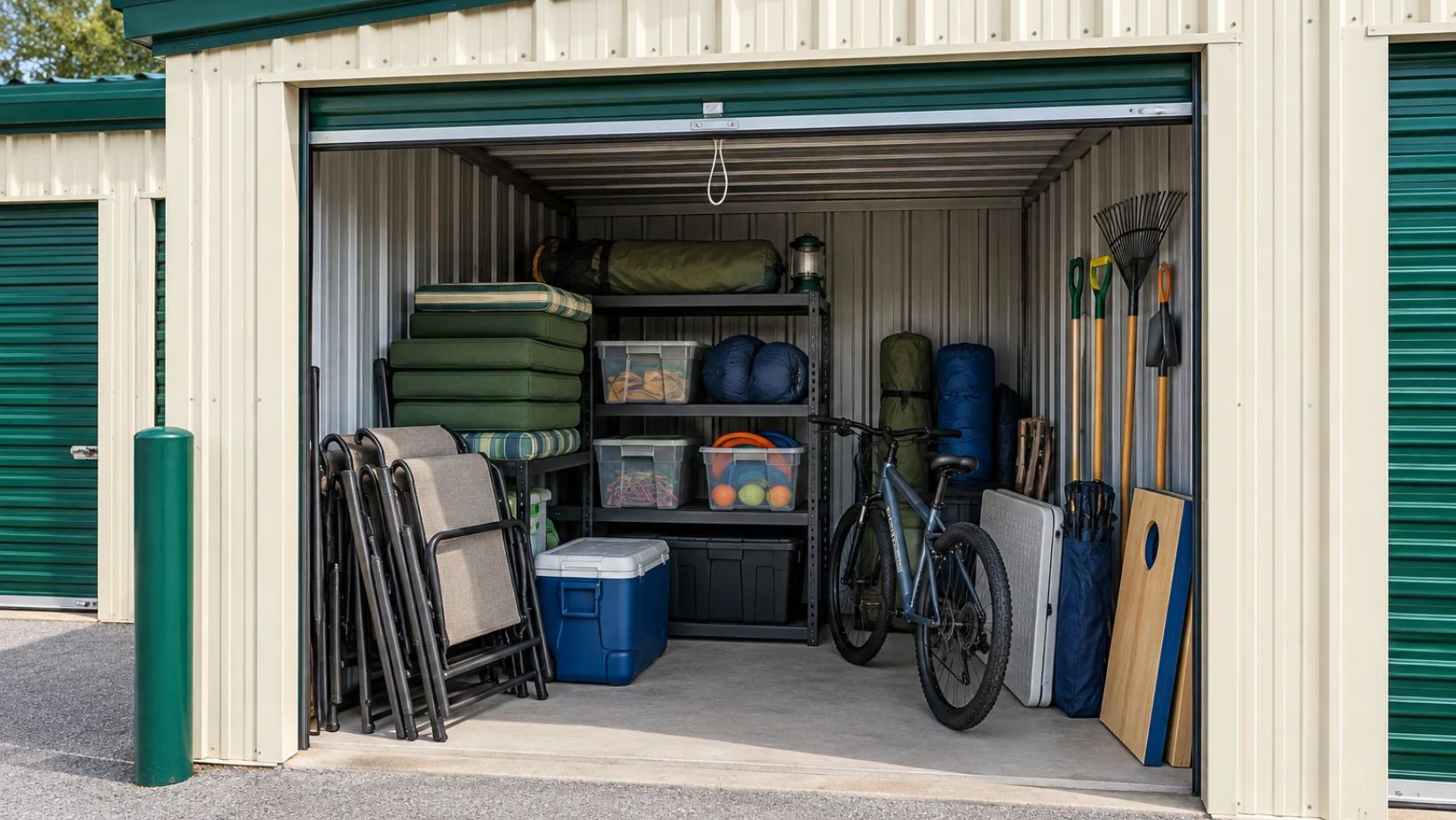
Once the last backyard gathering is over, patio cushions, camping gear and outdoor toys can start taking over the garage just when you need room for winter. A self storage unit gives you a separate place to keep those seasonal belongings until spring while freeing up space at home. Planning your summer gear storage before Alliston’s colder weather arrives also gives you time to clean, dry and pack everything properly.Moving your gear into self storage takes more than loading everything into a unit. A tent folded away damp or cushions buried beneath heavy boxes can create an unpleasant surprise next spring. Preparing each item for several months in storage can help protect its condition and make it easier to find and use when warmer weather returns.
Sort Through Summer Gear Before Packing
Before buying containers or choosing a unit, take a look at what actually needs to go into storage. You may have equipment that still gets used through fall, something that needs repair or outdoor toys your family has outgrown. Separate your belongings into four groups:
- Store for winter: Equipment you plan to use again when warmer weather returns.
- Keep accessible: Anything needed for an upcoming trip, event or indoor activity.
- Repair first: Items with missing parts, damaged fabric or other problems worth addressing.
- Let go: Belongings you can sell, donate, recycle or discard.
This is also a good time to photograph larger items and note their dimensions. A folded patio table and a fully assembled one need very different amounts of space. Knowing what can come apart helps you plan before loading begins.
Clean and Dry Everything Before Storage
Give yourself time for this step. Gear brought in from the yard may look ready to pack while still holding moisture in cushion filling, tent seams or folded fabric.Remove soil, sand, leaves and food residue using cleaning methods appropriate to the material. Check care labels before applying cleaners or putting fabric covers in the washing machine.Let everything dry completely before packing. That includes the inside of coolers, fabric folds and compartments you might overlook. Don't seal an item away simply because the outside feels dry. Inspect belongings while you're cleaning them. Replacing a missing tent stake or setting aside a cracked outdoor toy now means one less thing to discover when you're getting ready for next season.
Prepare Different Types of Summer Equipment
A storage plan should account for the materials and shapes you're working with. Soft cushions need protection from pressure, while bicycles and bulky furniture need a stable position. Here's how to approach some common summer belongings.
Patio Furniture and Cushions
Clean furniture according to its material and finish. Wood, painted metal, wicker and plastic won't necessarily respond well to the same products or treatment. Check the manufacturer's instructions before applying oils, polishes or protective coatings. If a table or chair is designed to come apart, disassemble it where practical. Put screws and other hardware in a labelled bag and keep it with the corresponding piece. Protect finished surfaces with suitable covers or moving blankets, and avoid dragging furniture across the unit.For cushions, follow the care label and allow plenty of drying time. Pack them without forcing them into a container that's too small. Keep heavy boxes off the cushions so you aren't compressing the filling all winter.
Camping Equipment
Take camping gear out of its bags before putting it into storage. Shake out tents, brush dirt from camp chairs and check pockets or folded sections for crumbs, leaves and moisture.Make sure tents and rainflies are completely dry before packing them away. When storing camping gear for longer periods, give sleeping bags room rather than leaving them tightly compressed all winter. Check the care instructions for sleeping pads and inflatable items, since packing requirements vary.Empty and clean coolers and cookware, remove any leftover food or wrappers, and let everything dry before packing. Keep tent poles, stakes and small accessories with the equipment they belong to so you can find all the pieces when you’re ready for your next trip.
Bicycles and Sports Equipment
Clean bicycles and sports equipment according to their care instructions, then let them dry completely before packing. Check for damaged or loose parts and take care of any maintenance your bicycle needs before its winter break.Store bicycles in a stable position with room around the frame, wheels and handlebars. Keep heavy boxes from leaning against them, and group accessories such as pumps, locks and repair kits in a labelled container.If you’re storing an electric bicycle, check your model’s instructions for battery removal, storage temperature and charging during an extended break from use. Ask the facility about its battery policies before bringing in the bike or battery.
Outdoor Toys and Garden Tools
Wash and dry outdoor games, pool accessories and hand tools before packing. Keep smaller pieces together in labelled containers, and check instructions before deflating or folding items designed to pack down.Arrange tools so sharp edges can't tear nearby fabrics or damage other belongings. Leave yourself room to lift awkward items out without pulling apart the whole stack.Powered garden equipment is a separate consideration. Contact the facility about acceptance and preparation requirements before including a mower or other fuel-powered item in your plans.
Choose a Storage Unit That Fits Your Gear
The largest item is often a better starting point than the number of boxes. Measure furniture, bicycles and other bulky equipment, then estimate how many containers you'll have once packing is complete.Think about access as well as capacity. If camping equipment might be needed for a trip during winter, you'll want room to reach it without unloading everything else.Alliston Self Storage offers heated and unheated units. The right choice depends on your belongings and their recommended storage conditions.If you're arranging self storage in Alliston, use our size guide to compare options or contact our team with your item list and measurements. We'll help you work out a suitable space for your seasonal belongings.
Pack the Unit With Spring Retrieval in Mind
Picture the first warm weekend when you want the patio chairs or bicycles back. A little planning while loading can keep that visit straightforward.
- Group by activity. Keep camping equipment together and patio accessories near the furniture they belong with.
- Label visible sides. A label on the lid won't help much once another container is stacked above it.
- Stack thoughtfully. Place heavy, stable containers below lighter items without exceeding the containers' load limits.
- Protect soft and fragile belongings. Keep cushions and easily damaged equipment away from pressure points.
- Keep an access path. Leave room to reach items wherever the layout allows.
- Record the arrangement. Take a photo and keep a short inventory outside the unit.
Put anything you may need before spring close to the entrance. If you rearrange the unit during a visit, update the photo or inventory while the new layout is still fresh in your mind.
Make Room at Home With Winter Storage Serving Alliston
Summer equipment doesn't have to occupy the space you need for everyday life through winter. Once your belongings are cleaned, dried and packed, we can help you find a unit that fits your gear and your plans.Alliston Self Storage is located at 5684 Hwy 89 in Cookstown, serving households in Alliston and nearby communities. Tell us what you're storing, how long you expect to need the space.Call 705 435 3131 or contact Alliston Self Storage online to ask about available units and heated or unheated options. Get your winter storage arranged now so your summer gear has a place to go and your garage is ready for the season ahead.
FAQs About Summer Gear Storage in Alliston
When Should I Put Summer Gear Into Winter Storage?
Once you're finished using it for the season, allow time to inspect, clean and fully dry it before packing. There's no single date that suits every household. A bicycle used through fall can stay out longer than pool accessories you've already finished with.
Does Summer Gear Need Heated Storage?
It depends on the materials and the manufacturer's recommended conditions. Check the requirements for your belongings, then ask our team about heated and unheated options. A heated unit still requires you to prepare and pack items properly.
Can I Store Propane Cylinders or Fuel With My Equipment?
No. Alliston Self Storage prohibits liquids and flammable materials. Check with us about barbecues, camping stoves or powered equipment before bringing them in, including any preparation requirements. Ask us to confirm the equipment itself is accepted, even if you've removed the fuel container.
What Size Unit Do I Need for Summer Equipment?
That depends on the dimensions of your largest items, your container count and whether furniture can be disassembled. Include room for access when estimating space. Our size guide or a conversation with the team can help you compare suitable options.
Can I Rent a Storage Unit Just for Winter?
Yes. Alliston Self Storage offers monthly rentals, so you can arrange storage for the season. We currently require two weeks' notice before moving out. Plan your spring pickup with that notice period in mind.
Can I Access My Belongings During Winter?
Yes. Our current access hours are 6 a.m. to midnight. Keep anything you might need during the rental period within reach, and confirm current hours before planning your visit.
Blog